
01
Mission fit
Aircraft class and equipment are matched to the operational requirement.
Swiss UAV manufacturing · engineered for every mission.
SKALESYSTEM designs and builds modular fixed-wing unmanned aircraft in Switzerland. One core architecture, scaled into a family and configured per mission: designed with AI, flown as a coordinated network. Sovereign air capability for governments and operators, delivered faster.
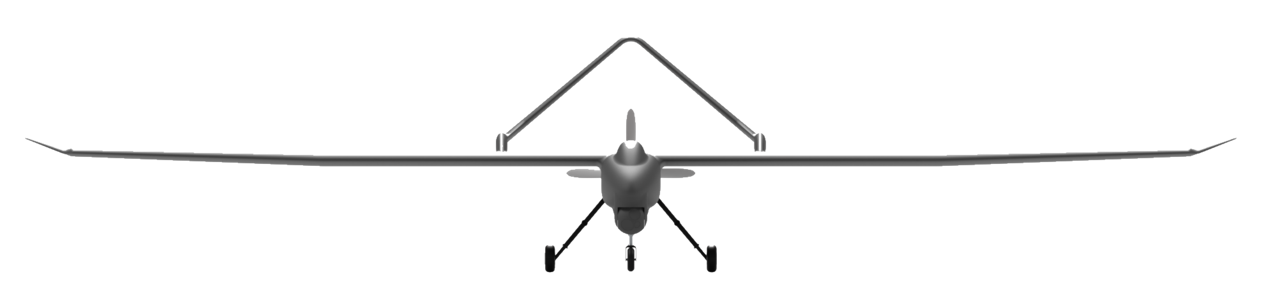
SKALESYSTEM develops a fixed-wing aircraft family around one modular architecture. Size and mission equipment change with the requirement, while shared design principles connect the family.
This approach reduces duplicated engineering and gives operators a coherent path between mission classes. Open payload architecture supports equipment choice and long-term control of the capability.
Six fixed-wing aircraft classes, from light DS450 to long-endurance DS2500. Each is designed around the same core architecture, sized and equipped for its mission class. The preliminary family design envelope extends up to Mach 0.6; performance depends on model, payload and configuration.
The DS family is designed for payload-agnostic, plug-and-play integration. Match sensors, communications equipment or cargo to the mission, with aircraft size, power and payload capacity defining the fit rather than a single supplier's equipment catalogue.
 DSX · supersonic
The DS family brings the modular platform approach to endurance-led missions, including ISR, logistics and environmental operations.
DSX extends that approach into supersonic aircraft. It carries the same ambition: scalable architecture and mission-led configuration, with speed and reach at the centre of the design challenge.
Moving between aircraft classes follows a shared architecture rather than an unrelated design for each mission. Reusable engineering principles support scale, while each configuration is assessed against its own requirements.
Aircraft class and equipment are matched to the operational requirement.
Common design principles reduce duplicated engineering between configurations.
A payload-agnostic approach gives customers room to choose mission equipment.
A coherent aircraft family supports changing requirements across weight and mission classes.
 Desert · persistent watch
Medium-altitude, long-endurance configurations for persistent operations.
 Maritime · blue water
Carrier and relay configuration for small unmanned air vehicles, extending sensor coverage and communications range.
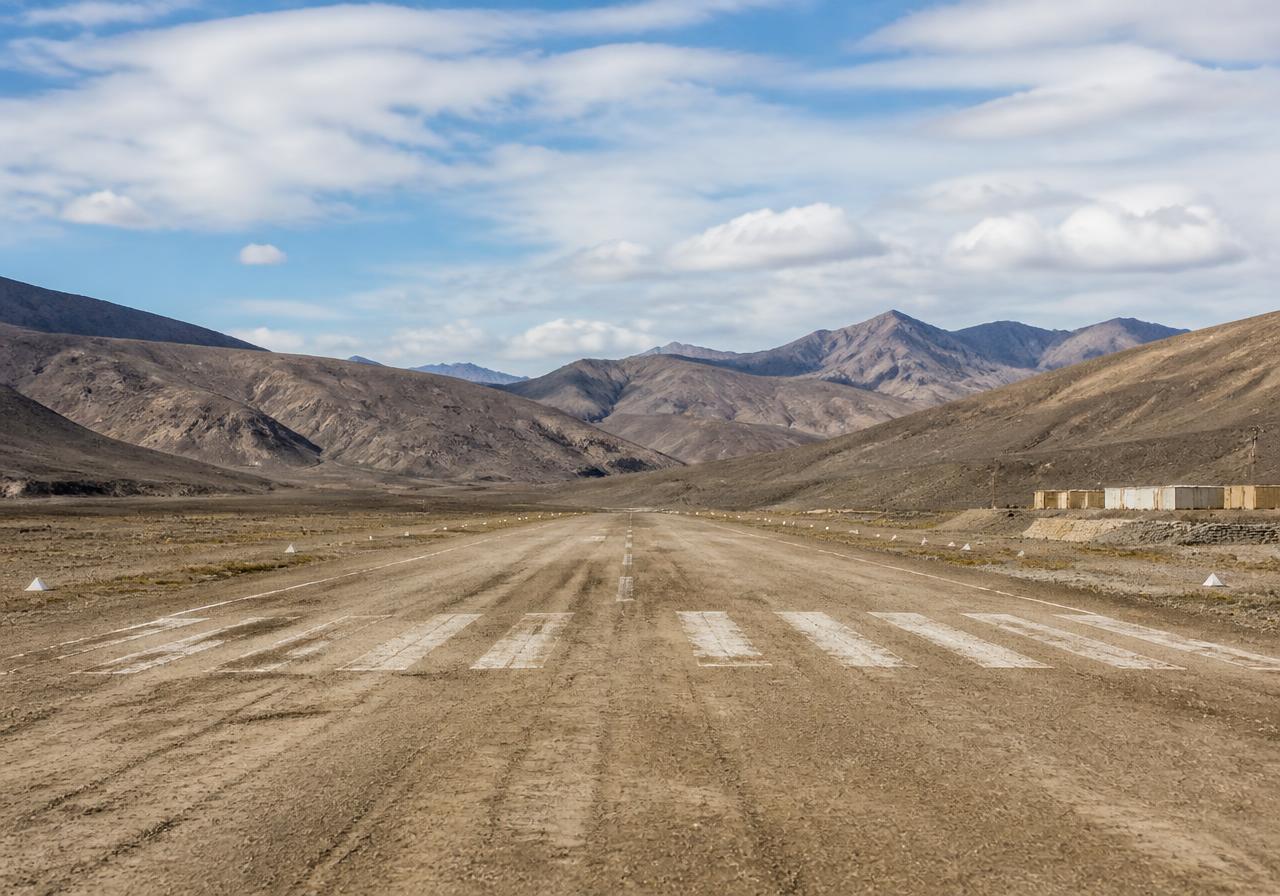 Remote · resupply
High-volume internal payload for utility and logistics.
 Agricultural · low altitude
Stable low-speed configuration for dispersal missions.
 Alpine · night rescue
Rapid response configuration for missing-person and casualty-location missions.
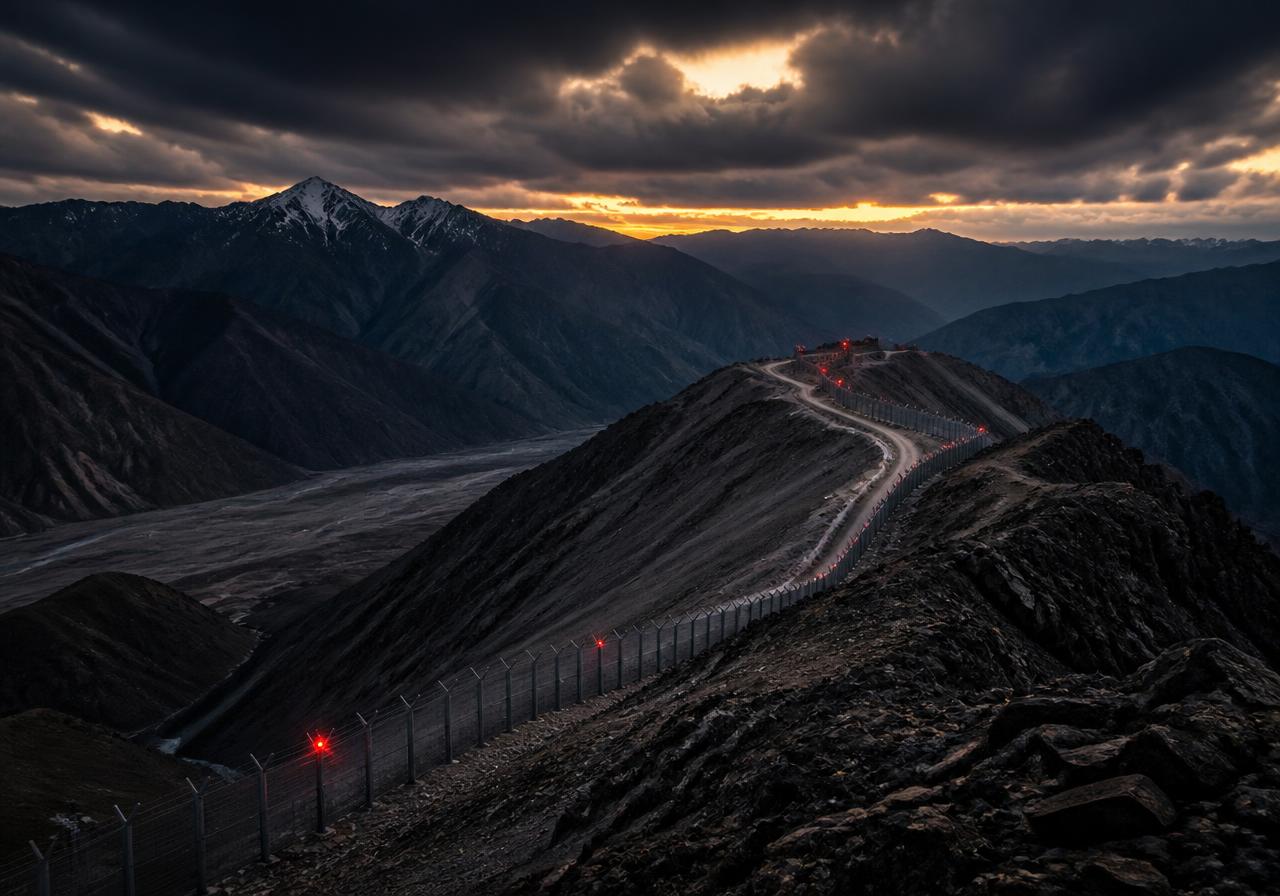 Mountain · frontier
Persistent watch configuration for frontier and perimeter security.
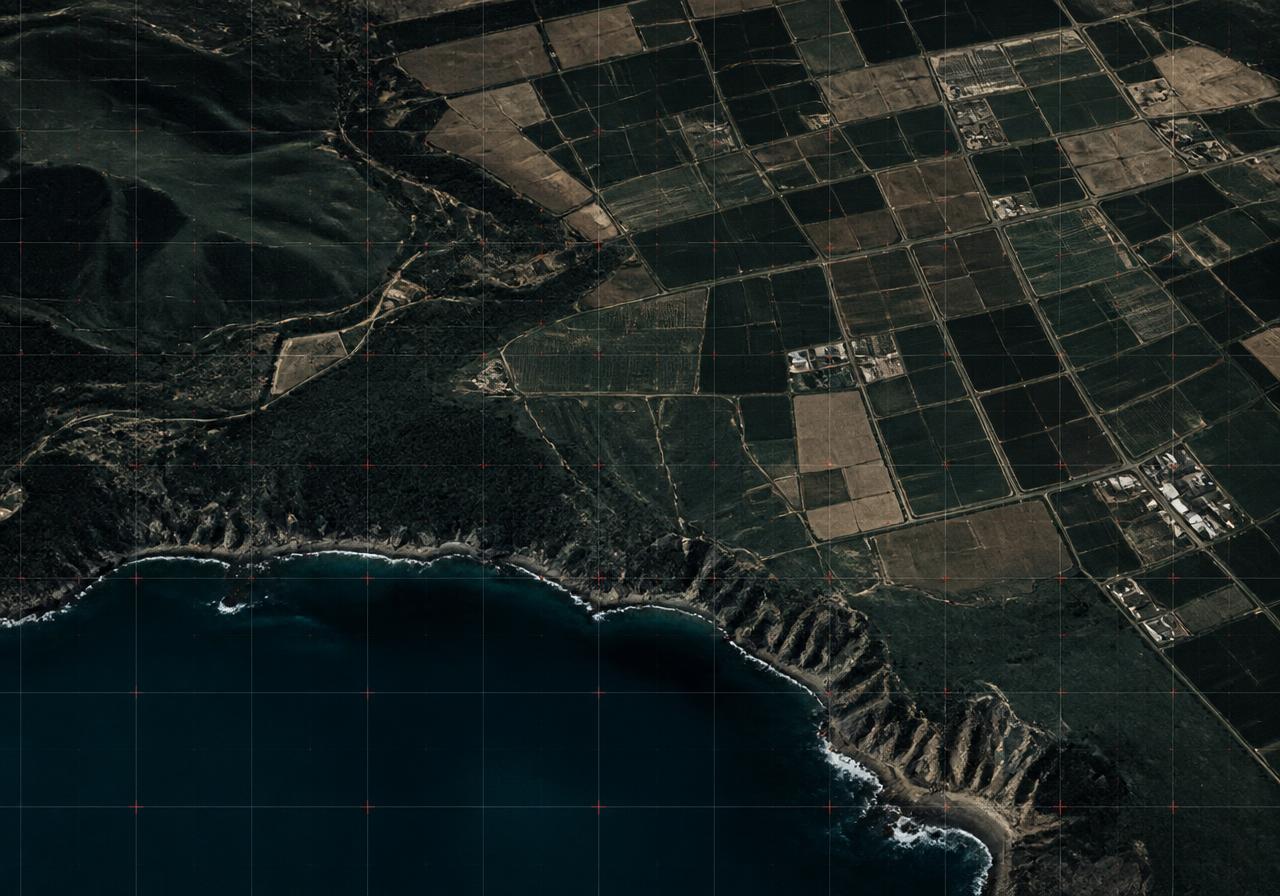 Coastal · survey grid
High-precision geospatial configuration for photogrammetry and terrain modeling.
Aerospace judgement and AI-assisted analysis come together to assess mission requirements and develop aircraft configurations.
We are developing AI-supported operations that help aircraft contribute to a common mission. The operator retains authority.
SKALESYSTEM is a Swiss aerospace OEM bringing together engineers and programme leaders whose careers span aircraft design, certification and series production across commercial and defence programmes worldwide. That experience informs a modular fixed-wing aircraft family, modern AI-assisted engineering and the development of coordinated mission capabilities.
Team members bring experience in fixed-wing design, propulsion integration, certification and industrialisation from prior aerospace programmes.
Based in Switzerland, with an emphasis on operator control, payload choice and long-term adaptability for government and commercial requirements.
A shared modular architecture connects aircraft development, AI-assisted engineering and mission capability across weight classes.
Changing a mission today usually means restarting the programme: new structures, new avionics integration, new certification evidence, and a fleet whose types each carry their own spares, training and support. We build one core architecture that absorbs mission change instead of being redrawn by it: configured per mission, owned by the operator.
SKALESYSTEM is a Swiss aerospace OEM developing modular fixed-wing unmanned aircraft. The six-model DS family shares one core architecture for ISR, border and maritime surveillance, search and rescue, logistics, agriculture and mapping. AI-assisted engineering supports aircraft development, alongside work on coordinated mission capabilities.
DS stands for Drone Skalable. It is the naming convention for the SKALESYSTEM platform family, where each model shares the same core design scaled to a different size and mission class.
DSX is SKALESYSTEM's supersonic aircraft, extending the same modularity and scale into supersonic flight for time-critical missions.
SKALESYSTEM is based at Churerstrasse 156, 8808 Pfäffikon, Schwyz, Switzerland. Its engineering base and modular aircraft development are anchored in Switzerland.
Team members bring 80+ combined years of aerospace design experience from prior commercial and defence programmes. Those programmes encompassed 4,000+ aircraft, with team members contributing to design, manufacturing and certification. These figures describe their prior programme experience, not SKALESYSTEM aircraft deliveries.
Switzerland is the engineering base for SKALESYSTEM's aircraft development. The platform approach emphasises operator control, payload choice and long-term adaptability. Export and regulatory requirements depend on the customer, destination and selected equipment.
The DS family uses shared modular design principles across six aircraft classes, from light DS450 to long-endurance DS2500. Size and mission equipment are matched to the requirement, reducing the need for unrelated aircraft designs. The preliminary family design envelope extends up to Mach 0.6, with performance dependent on model, payload and configuration.
The family is designed for payload-agnostic, plug-and-play integration. Mission equipment options include EO/IR, SAR/GMTI and maritime radar, RF spectrum monitoring, LiDAR, multispectral and hyperspectral imaging, AIS/ADS-B, communications relay, SATCOM and cargo. Equipment selection is matched to aircraft size, payload capacity and power requirements.
AI-assisted engineering supports mission analysis, configuration comparison and design decisions, with engineers retaining responsibility. Operational development focuses on mission awareness and complementary coverage from cooperating aircraft around a shared objective, under operator authority.
Low radar signature is a design requirement across the DS family and its mission configurations. Radar observability depends on the configuration and operating conditions; no measured radar cross-section values are published here.